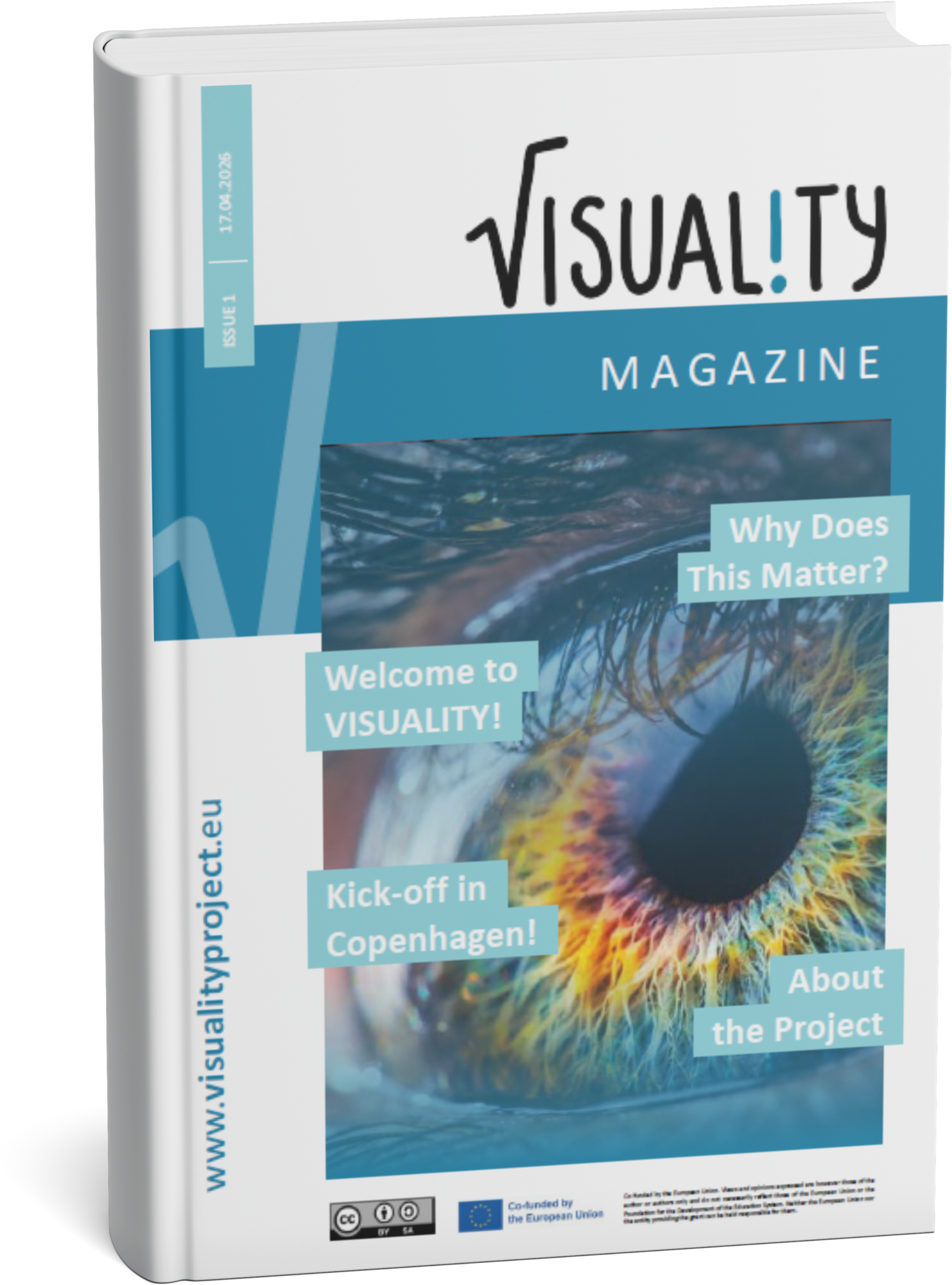
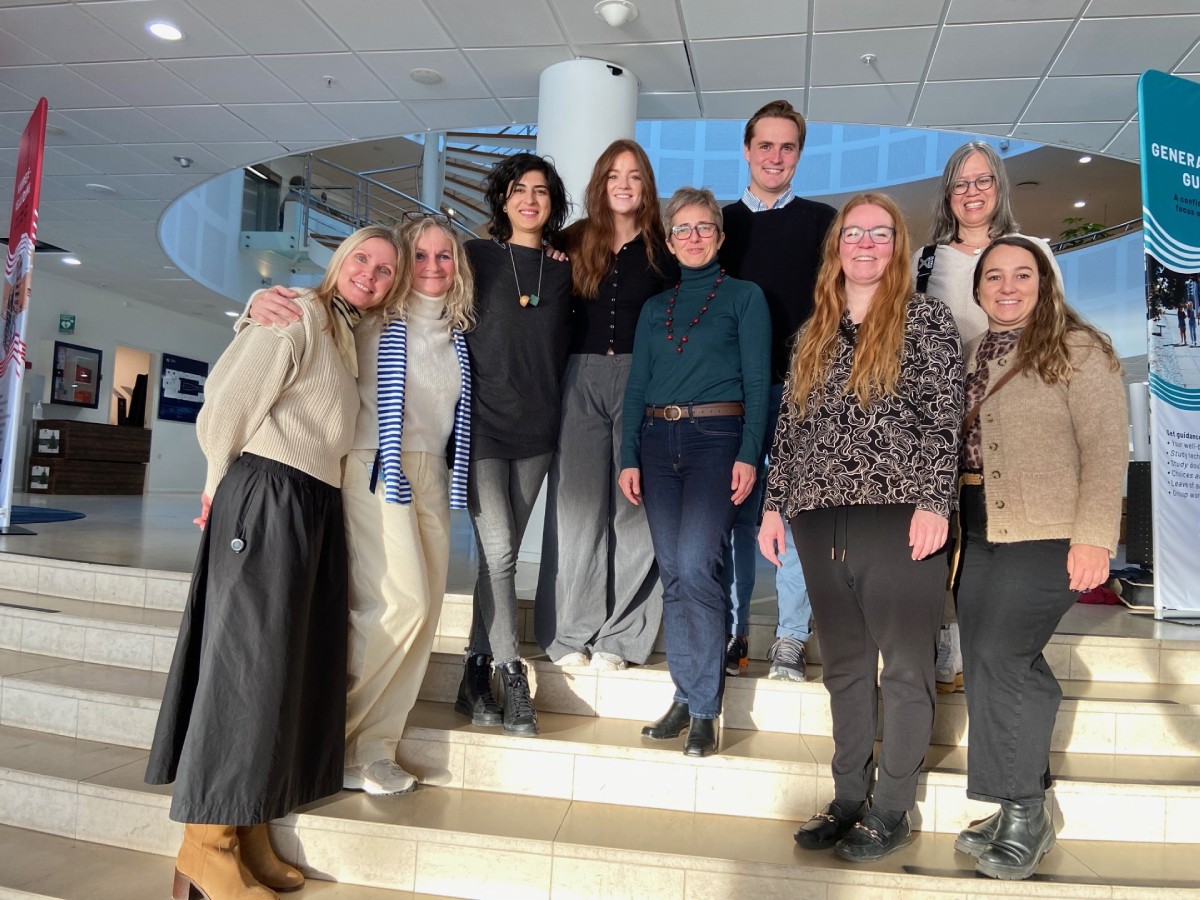
Welcome to VISUALITY, a project helping educators use visuals with pedagogical purpose, so learning becomes clearer, more engaging, and more accessible for everyone. Across higher education and adult education, many learners still face text-heavy materials which are strain on learner’s cognitive load and that do not match how they process information, especially learners who experience language barriers, low literacy, or neurodiversity. VISUALITY responds by building evidence, practical training, and shared tools that support inclusive teaching in real settings.


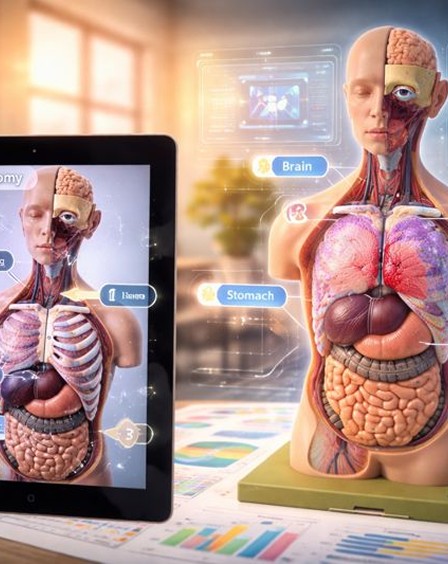


Across Europe, too many people are still excluded from higher education and lifelong learning because teaching approaches do not match how diverse learners process and retain information. The participation gap is clear: only 10.8% of adults (25–64) take part in education, below the EU target of 15%, and participation among low-skilled adults is even lower (4.3%).
At the same time, literacy barriers remain widespread. The OECD’s 2023 PIAAC findings show that nearly 20% of adults lack basic literacy and numeracy skills, which makes text-heavy learning environments especially difficult to access.
VISUALITY will produce a research report mapping how visuals are currently used in higher education and adult education, grounded in field research with 90+ educators through surveys, interviews, and focus groups. Alongside this, the needs assessment will capture the experiences of 120+ disadvantaged learners to understand barriers linked to text-heavy learning and where visuals can improve access, engagement, and comprehension. Together, these outputs will identify what works, what is missing, and what educators need to apply visual pedagogy in a structured and inclusive way (not as decoration).
The certified online course will provide a practical, step-by-step learning pathway on how to use visuals effectively for learning, with a recognised micro-credential outcome. During the project, 90 educators will enrol, with a target of 75 completing the course and earning the micro-credential. The course will be refined through structured user testing and validation with 90+ educators, and the project aims to reach 300+ educator sign-ups over its lifespan through ongoing promotion and uptake by institutions and networks.
VISUALITY will publish an empirical study evaluating the real-world impact of visual pedagogy on teaching practice and learner experience. The study will follow 30+ educators implementing VISUALITY strategies after completing the course, applying them in teaching with 200+ students. Data collection (including surveys and focus groups) will examine what changes in engagement, inclusion, and learning experience, particularly for learners who face barriers linked to language, literacy, or accessibility needs.